

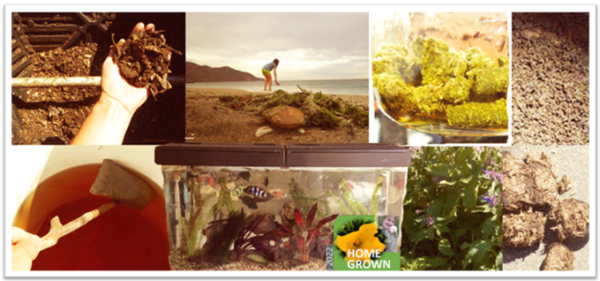
Some of the best natural soil amendments to improve soil fertility are easily accessible. You don’t need to seek out expensive packaged ingredients.
What is the difference between soil amendments and fertilizers?
Fertilizers improve the nutrients in the soil directly and are geared toward quickly improving plant growth.
Soil amendments and soil conditioners improve soil structure for the long run. Soil amendments improve water retention, microbial activity and nutrient content.
The key to a fertile garden is to feed the soil, versus applying fertilizers directly onto plants.
This post concentrates on soil amendments because fertilizers are more of a commercial product requiring precise nutrient ratings.
And to improve your soil fertility naturally, you don’t need to be precise at all!
Why not use chemical fertilizers?
Chemical fertilizers are usually applied too heavily. The excess can leach into other parts of the garden and even the ground water.
Many times, they are over applied, and those excess chemicals cause plants to be off balance.
Chemical fertilizers produce immediate results and green growth, but they can actually make plants weaker.
For example, plants that are over-fertilized with nitrogen can become more susceptible to aphids. We have a neat aphid chart here.
How do I control pests without pesticides?
Using natural soil amendments will help your garden plants to grow strong and healthy with the stamina required to withstand pest pressure.
Understanding how pests work is a first, easy step to growing a garden that naturally takes care of pests on its own, by welcoming beneficial insects into the area and fostering less harsh plant growth.
Encourage the natural harmony of garden creatures by eliminating chemical pesticides.
Learn more by reading Organic Pest Control Secrets for a Non-Toxic Garden, a wonderful eBook, or scan the post “5 Ways to Keep Pests Away in the Garden“.
These are the five natural soil amendments that you can make at home to improve soil fertility!
1. Compost may be THE BEST natural ingredient to improve soil fertility
Compost promotes healthy roots, by helping to regulate the density of your soil. If your soil is too compact, compost will loosen it up. If the soil is too sandy or loose, compost will bring everything together. This allows the soil to hold nutrients for healthy roots.
Use compost that is high quality and that means the compost is made from many different natural sources. The more varied the ingredients, the more nutritious the compost.
Add compost to your planting beds in spring to rejuvenate the soil. If you’re making your own compost, refer to the list below for all the items you can compost at home. Compost may be all you need for the entire growth cycle of vegetable in the garden.
Compost can also balance pH and prevent disease and pests!
If using compost containing manure, read this important post about how to use manure safely and how the different manures work depending on the animal it comes from.
Compost Tea – Simply soak a handful or two of compost in 5 gallons of water for a few hours, and then drench the soil around plants. This revs up microbial activity and feeds the soil food web.
2. Plant matter, green manures and organic materials are excellent natural ingredients to improve soil fertility

Cover crops act like a living mulch! Not only do they block out weeds, cover crops can add nutrients and organic matter to the soil if worked back into your garden beds.
When you turn the cover crops into the soil, they become “green manures”.
Buckwheat and beans are effective warm weather cover crops. Grow them in summer and turn them into the soil well before you plant cool weather crops. Grow peas and plant warm season crops after the peas are done.
Read this awesome post about how to use green manures in the home garden.
Organic materials such as straw, hay, and wood shavings change the soil structure. Organisms such as fungi, insects, and worms all work to decompose the organic materials. The energy the organisms need to break down the organic matter lives in the soil as nitrogen.
This is why it is extra helpful to add compost and other nitrogen-containing soil amendments in spring, to give the soil organisms fuel to do their work.
Read about the difference between straw and hay. Alfalfa is a wonderful top dressing or planting hole sol amendment for roses!
Leaf mold is another exceptional, natural soil amendment. It maximizes water and air movement and increases organic matter dramatically.
3. Fish, crustacean shells and kelp will improve soil fertility

Fish, kelp and crustacean shells stimulate soil bacteria, add micronutrients, improve aeration, and enable the production of humus.
Kelp works its magic by stimulating the microbes in the soil and creating an environment that nurtures plants to the point that they may be able to withstand weather extremes.
Take your fish scraps and bury them deep in your garden bed. Lobster or crab shells? Add those too. Fish adds nutrients and organic matter. Read the Ultimate guide to homemade fertilizers: “50 Homemade Fertilizers and Soil Amendments” At over 100 pages, it gives you many recipes using all of the ingredients in this list and MUCH, MUCH MORE.
4. Worm Castings / Vermicompost provides amazing nutrients for the garden and improves fertility of the soil every time!
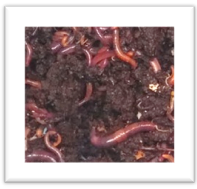
Worm castings exist in such a form that plants can easily absorb its nutrients and trace minerals.
In other words, worm poo is simply amazing! We write about it a lot at Home Grown Fun and have been composting with worms for over 15 years.
Our Worm Composting FAQs are fun to read and also learn which foods red wigglers love the most in this post.
5. Manure improves soil fertility if used carefully
Manure, if clean, can help improve soil fertility. Beware though, if hay has been sprayed to control weeds, that herbicide can pass through the animal and into the manure.
Broad leaf plant killer will also stunt growth and even kill broad leaf fruit and vegetables in the garden.
The way to prevent manure issues is to use manure that has been WELL COMPOSTED and ideally aged. This article we wrote explains it all: “5 Tips for Using Manures in the Garden”. It gives you critical safety information and even compares the various manures.
Finally, if you want to understand fertilizers and soil amendments in more detail, especially the “N P K” of fertilizers, this one-page article from the Master Gardeners at the University of California is a good start.
- N – Nitrogen for overall growth, leaf growth and color
- P – Phosphorus for root development and fruit set
- K – Potassium for plant hardiness and disease resistance
Hope these tips help you to grow better vegetables, herbs and fruit!
